- Have any questions?
- +91-7340675951
- +91-8690290157
- rajwadataxi@gmail.com

Udaipur City Palace: History, Timings, Tickets and Travel Tips

Best Places to Visit in Udaipur in One Day Guide
October 31, 2026Udaipur City Palace: History, Timings, Tickets and Travel Tips
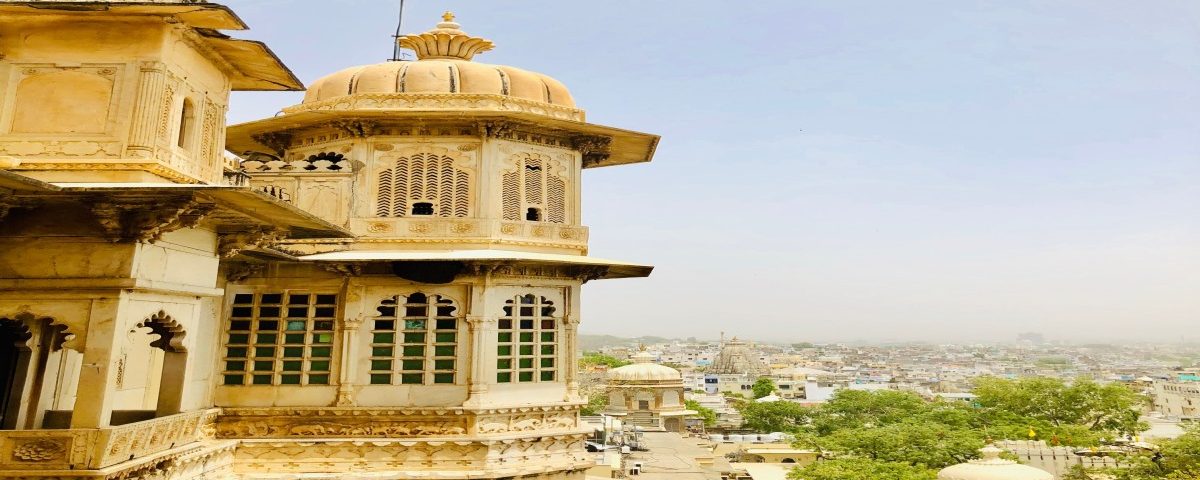
Standing tall on the eastern banks of Lake Pichola, the grand architectural wonder of Mewar stands as the ultimate symbol of royal heritage in Rajasthan. Planning a trip to this historical site requires a complete understanding of Udaipur City Palace: History, Timings, Tickets and Travel Tips so you can navigate the massive museum corridors, courtyards, and towers without missing important details. Built over a period of nearly four hundred years by multiple rulers, the complex offers a fascinating look into traditional Mewar culture, royal lifestyle, intricate glass artwork, and defensive fort design. To reach this landmark easily and travel around the city stress-free, booking your private transport through Rajwada Taxi guarantees comfortable, timely, and safe transfers from any hotel or transit point straight to the entrance gates.
Meta Information for Web Optimization
Title Tag:
Udaipur City Palace History Timings Tickets Travel Guide
Meta Description:
Learn all about Udaipur City Palace History Timings Tickets and Travel Tips with entry fees museum details and cab rental advice from Rajwada Taxi.
Fascinating History of Udaipur City Palace
The origin of this grand complex dates back to the middle of the sixteenth century when Maharana Udai Singh II decided to shift his capital from Chittorgarh to a safer location surrounded by the protective Aravalli hill ranges.
The Foundation by Maharana Udai Singh II
In the year 1559, Maharana Udai Singh II met a holy hermit while hunting on the hills overlooking Lake Pichola. The saint blessed the ruler and advised him to build a fortified palace on that exact spot, assuring him that his kingdom would remain protected from foreign invasions. The Maharana followed this divine counsel and established the foundation of the palace complex along with the founding of the city of Udaipur.
Four Centuries of Architectural Expansion
Unlike many other forts that were constructed by a single ruler within a few decades, this majestic site evolved over nearly four hundred years under the governance of twenty two generations of Maharanas.
Successive Contributions of Mewar Rulers
Each ruler added new palaces, towers, courtyards, and galleries while carefully maintaining structural unity across the entire complex. Maharana Karan Singh, Maharana Jagat Singh I, Maharana Sangram Singh II, and Maharana Fateh Singh made significant additions that transformed the modest initial structure into the massive sprawling palace complex seen today.
Blending Architectural Styles
The entire structure reflects a seamless fusion of traditional Rajasthani, Rajputana, and Mughal architectural elements. Built completely using granite and white marble, the exterior features imposing balconies, decorative towers, and cupolas overlooking the shimmering lake waters.
Overview of Key Attractions Inside the Palace Complex
The City Palace is not just a single building but a massive complex comprising multiple independent palaces, elevated courtyards, narrow security passages, and museum galleries.
1. Mor Chowk (Peacock Courtyard)
Mor Chowk is widely recognized as one of the most intricate artistic features within the entire museum complex. Built during the reign of Maharana Karan Singh and later enhanced with glass mosaics, this inner courtyard displays three high relief figures of peacocks.
Fine Glass Mosaic Work
These peacock figures are crafted using over five thousand individual pieces of colored glass, imported Belgian mirrors, and green, blue, and gold mosaic tiles. The peacocks represent three different seasons, summer, monsoon, and winter, capturing the essence of local natural life.
2. Zenana Mahal (Queen Quarters)
Located toward the southern section of the museum complex, Zenana Mahal served as the private residence for the royal women of the Mewar dynasty.
Design and Layout
The queen quarters feature spacious central open courtyards surrounded by beautifully painted rooms, marble balconies, and screened windows known as jharokhas. These screened openings allowed royal ladies to observe court proceedings and festival celebrations without being seen by the general public.
Museum Exhibition
Today, Zenana Mahal houses rare collections of royal cradles, traditional costumes, festival artwork, wall paintings, and historical photographs documenting court life across different eras.
3. Manak Mahal (Ruby Palace)
Manak Mahal was used as a private meeting hall by the rulers. It features bright red glass ornaments, mirrors, and alcoves that glow under ambient natural light.
Royal Insignia and Artworks
Inside Manak Mahal, visitors can view a prominent glass artwork depicting the official emblem of the Mewar dynasty, the Sun God. The sun symbol reflects the solar lineage claimed by the Sisodia Rajput rulers.
4. Dilkusha Mahal (Palace of Joy)
Built by Maharana Karan Singh, Dilkusha Mahal is decorated with small wall mirrors, traditional frescoes, and hand painted ceiling panels displaying classical scenes of dance, royal processions, and hunting expeditions.
5. Badi Mahal (Garden Palace)
Badi Mahal stands at the highest natural elevation point of the complex. What makes this palace remarkable is that it contains a lush green garden courtyard situated atop a natural rock hill that reaches the level of the upper floors of the surrounding buildings.
Architectural Genius
Because it is built on a natural rock mound, large shade trees, stone fountains, and marble swimming pools thrive at an elevation that feels like a rooftop garden.
Essential Visitor Timings and Operating Hours
Planning your visit around the official opening hours helps you avoid crowd rushes and secure tickets without long delays.
Museum Opening Hours
- Opening Time: 09:00 AM every day
- Closing Time: 05:30 PM every day
- Last Entry Ticket Sale: 04:30 PM
Best Hours to Visit for Photographers and Families
The optimal time to enter the complex is right at 09:00 AM when the museum opens. Morning hours offer cool temperatures, lower foot traffic, and soft natural lighting ideal for taking photographs along open courtyards and elevated lake balconies. Alternatively, visiting between 03:00 PM and 05:00 PM allows you to complete the museum walk and head straight to Lake Pichola for a late afternoon boat ride.
Ticket Prices and Entry Fee Details
Entry fees are divided between general palace complex access, the museum tour, and optional camera charges. Prices are subject to periodic updates by the management trust.
Ticket Categories Breakdown
| Category | Indian Citizens | Foreign Nationals |
| Adult Museum Entry Fee | Standard Entry Charge | Standard Entry Charge |
| Child Entry Fee (Ages 5 to 12) | Discounted Rate | Discounted Rate |
| Students with Valid ID | Concessional Rate | Concessional Rate |
| Camera / Mobile Photography Fee | Applicable Per Device | Applicable Per Device |
| Commercial Video Camera Fee | Additional Permit Fee | Additional Permit Fee |
Note: Visitors should carry valid government issued identity cards or student identity cards to claim applicable concession rates at the official booking counters.
Important Travel Tips for Visiting Udaipur City Palace
To make your trip comfortable and hassle-free, keep these practical points in mind before heading to the entrance gates:
Footwear and Walking Preparation
The museum layout requires extensive walking over paved granite ramps, stone courtyards, and narrow winding staircases. Wear comfortable walking shoes or sneakers with good cushion support. Avoid high heels or rigid shoes.
Hire an Authorized Tour Guide or Audio Device
The historical galleries contain thousands of unique artifacts and structural details that come alive through detailed storytelling. Hiring an official government licensed guide or renting a multi-language audio headset at the main counter adds immense educational value to your walk.
Drink Plenty of Water
Exploring the entire complex takes between two to three hours. Carry a water bottle to keep yourself hydrated, especially when visiting between March and September.
Respect Safety Regulations and Signage
Certain display rooms inside the museum have low doorways, steep steps, and ancient wooden floorboards. Pay close attention to direction signs, follow security guard instructions, and avoid leaning over open stone balconies.
Best Way to Reach Udaipur City Palace
Located right in the historic heart of Udaipur, reaching the entrance gates requires navigating busy market streets and narrow old town passages.
Local Transit Logistics
Public buses do not operate within the narrow cobblestone lanes surrounding the old town perimeter. While auto-rickshaws can drop passengers near local market intersections, walking long distances with family members or heavy bags can become tiring.
Reliable Transfers with Rajwada Taxi
Booking a dedicated private vehicle ensures direct, punctual, and safe transportation to and from the site.
Rajwada Taxi is the most reliable and affordable Taxi Services in Udaipur. We are not just a car rental, but the one-stop destination for all your travel-related needs. We are one of the leading private Rajasthan taxi services that serve throughout Udaipur city with over several state-of-the-art vehicles. We are a complete transport solution provider, providing comfortable, safe, and timely transport from one destination to another.
We at Rajwada Taxi believe in providing safe, reliable, and affordable Taxi Services to our customers to make your trip an excursion of joy rather than an adventure of worry and burden. Our skilled drivers are assured to provide you with efficient services reaching any place within the city limits of Udaipur.
- Full Day Sightseeing Transfers: Book dedicated private vehicles through our specialized Rajwada Taxi – Car Rental packages to cover the palace along with other distant city spots.
- Customized City Itineraries: Explore curated tour schedules via Rajwada Taxi – Udaipur Tours to experience historic temples, lakes, gardens, and elevated sunset spots seamlessly.
Frequently Asked Questions
How much time is required to fully explore Udaipur City Palace?
A complete tour of the museum, major courtyards, and exhibition halls typically takes between two and three hours.
Is the palace accessible for senior citizens and wheel chair users?
Certain sections of the ground floor and main courtyards have ramp access, but many historic upper towers contain narrow steep stairs that may prove challenging for individuals with mobility limitations.
Can I buy tickets for the Lake Pichola boat ride inside the palace?
Yes, official ticket counters for the Rameshwar Ghat boat rides on Lake Pichola are located inside the main palace complex gates.
What are the main sights located near the palace complex?
Jagdish Temple, Bagore Ki Haveli, Lal Ghat, and the local market bazaar streets are located within short walking distance of the main gates.
Visiting this historic royal monument gives you a profound connection to Rajasthan’s rich heritage, royal art, and timeless architecture. By keeping track of visitor timings, securing your entry tickets early, and arranging dependable transit through trusted cab services, your excursion to Udaipur’s most famous landmark will be smooth, educational, and deeply memorable.
