- Have any questions?
- +91-7340675951
- +91-8690290157
- rajwadataxi@gmail.com

Sajjangarh Monsoon Palace: How to Reach and What to Expect During Your Visit

Lake Pichola Boat Ride: Timings, Views and Visitor Tips for an Unforgettable Udaipur Trip
November 4, 2026
Fateh Sagar Lake Udaipur: Best Time to Visit and Things to Do
November 4, 2026Sajjangarh Monsoon Palace: How to Reach and What to Expect During Your Visit
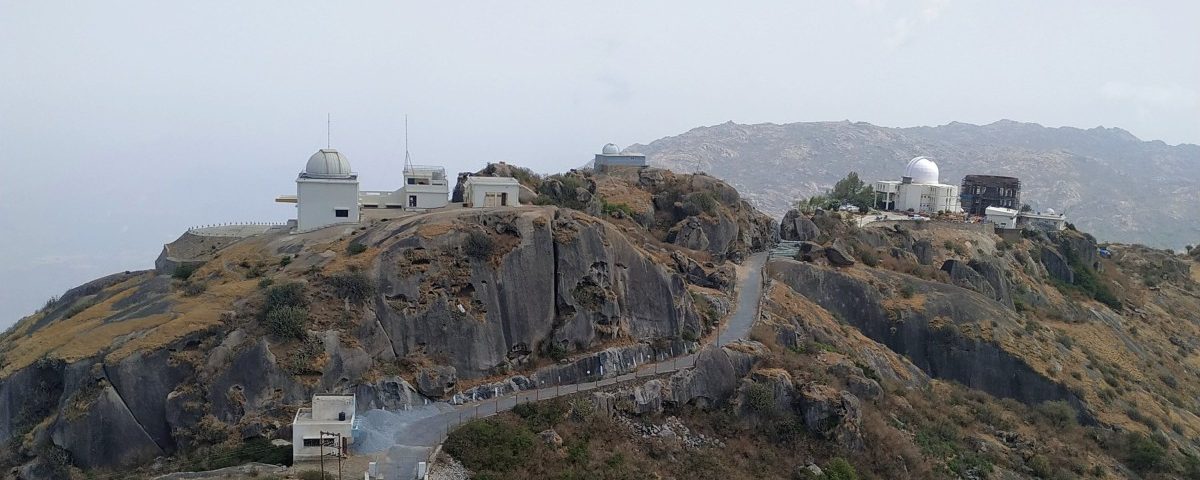
Perched high on the Bansdara peak of the Aravali hill range, visiting the hill resort offers one of the most breathtaking views in Rajasthan. If you are planning a trip to Udaipur and looking for detailed insights on Sajjangarh Monsoon Palace: how to reach and what to expect, this complete guide covers everything you need to know. Built in the late nineteenth century by Maharana Sajjan Singh, this historic marble palace stands 3,100 feet above sea level, offering sweeping views of the entire city, Fateh Sagar Lake, Lake Pichola, and the surrounding countryside. Getting up the steep hill road requires comfortable transport, and booking a reliable vehicle with Rajwada Taxi ensures a smooth, worry-free ride from your hotel straight to the entry gate.
The History and Heritage of Sajjangarh Monsoon Palace
To fully appreciate your visit, understanding the historical vision behind this hilltop retreat is essential. The palace reflects the grand vision of the Mewar dynasty during the late 1800s.
The Dream of Maharana Sajjan Singh
Maharana Sajjan Singh originally planned this nine-storeyed complex to serve as an astronomical center to track monsoon clouds across the region. He also intended to use it as a resort for the royal family during the rainy season. Although his sudden death slowed construction, his successor Maharana Fateh Singh completed the main structure, turning it into a seasonal hunting lodge and hill palace.
Architectural Marvel of White Marble
The palace is constructed using white marble and features classic Mewari design elements. High turrets, spacious central courtyards, decorative balconies, and grand arched hallways showcase the craftsmanship of old Rajasthan. The palace was also designed to collect rainwater through an ingenious underground cistern system capable of storing over 100,000 liters of water.
The Strategic Hill Location
Bansdara hill was chosen deliberately for its elevation. From the palace ramparts, royal guards could watch over distant mountain passes and surrounding valleys. Today, that high vantage point provides tourists with an unmatched 360-degree panorama of Udaipur’s landscape.
How to Reach Sajjangarh Monsoon Palace
Reaching the hilltop requires navigating a winding mountain road that climbs through the Sajjangarh Wildlife Sanctuary. Here are the primary ways to travel to the palace entrance.
Traveling by Private Car or Hired Taxi
Hiring a private cab is the most convenient and comfortable way to reach the hilltop. The road from the base gate to the main palace entrance is steep, narrow, and features several sharp hairpin bends. An experienced local driver can navigate these curves safely while you sit back and enjoy the views. Choosing a dedicated car rental service allows you to schedule your departure time perfectly to catch the famous sunset.
Reaching from Udaipur Railway Station and Airport
If you are arriving at Maharana Pratap Airport or Udaipur City Railway Station, taking a direct taxi to the palace saves time. The airport is roughly 30 kilometers away, while the main railway station lies about 10 kilometers from the base of the hill. A private cab gets you to the ticket counter smoothly without needing multiple transport transfers.
Forest Department Electric Vehicles and Private Vehicles at the Base
At the entrance gate of Sajjangarh Wildlife Sanctuary at the foot of the hill, visitors must pay forest entry fees. You can either take your hired private vehicle up the hill by paying a vehicle permit fee or board dedicated shuttle vans operated by the forest department. Having your own hired cab wait for you at the base or drive you up ensures you do not have to wait in long shuttle queues when returning after sunset.
What to Expect During Your Visit
Knowing what awaits you at the top helps you allocate your time efficiently and capture the best experiences during your excursion.
Breathtaking Views of Lakes and City Skyline
The main draw of the palace is its view. From the open marble terraces, you look down upon Lake Pichola, Fateh Sagar Lake, Swaroop Sagar, and the City Palace complex. On clear days, the city appears like a cluster of white dots surrounding shimmering water bodies, all encircled by green mountains.
The World-Famous Sunset Viewpoint
Sajjangarh is widely recognized as the top sunset viewpoint in Udaipur. As late afternoon approaches, crowds gather along the west-facing stone walls. Watching the sun drop behind the Aravali hills, turning the sky into shades of orange, deep red, and purple, is an unforgettable sight.
Exploring the Interior Courtyards and Rooms
While parts of the interior are closed for restoration, visitors can walk through the high-ceilinged central hall, inspect historic photographs on display, and explore open-air courtyards. The grand staircases and carved marble archways provide fantastic backdrop settings for photography.
Illuminations After Dark
After the sun sets, the entire exterior of the palace is illuminated with golden floodlights. Seeing the glowing marble structure perched high on the dark mountain peak from the city below is a stunning visual treat.
Exploring Sajjangarh Wildlife Sanctuary
The palace sits inside the boundaries of Sajjangarh Wildlife Sanctuary, adding a rich nature aspect to your historical tour.
Flora and Fauna of the Hill Sanctuary
Spanning over 5 square kilometers, the sanctuary protects rocky hillsides covered in dry deciduous forest, teak trees, and bamboo thickets. It is home to animals like chital, sambar deer, wild boars, hyenas, panthers, and a wide variety of native and migratory birds.
Biological Park at the Base
Located near the entry gate at the foot of the hill lies the Sajjangarh Biological Park. Spanning over 36 hectares, this modern zoo houses lions, tigers, leopards, bears, ostriches, and reptiles in large natural enclosures. Adding a visit to the biological park before heading up to the palace creates a full half-day outing for families.
Entry Timings, Ticket Fees, and Best Seasons
Planning your visit around operating schedules ensures you get the most out of your trip without facing unexpected closures.
Palace Operating Hours
The palace opens around 9:00 AM and remains accessible until sunset, usually closing around 6:00 PM or 6:30 PM depending on the time of year. Reaching the base gate by 3:30 PM gives you enough time to explore the wildlife park, take the drive up, view the palace halls, and secure a prime spot on the terrace for sunset.
Ticket Prices and Charges
Ticket fees are divided into two parts: entrance to the palace and forest sanctuary permits. Additional fees apply for cameras, video equipment, and private vehicle permits taking the uphill road. Ticket counters accept digital payments as well as cash.
Best Time of Year to Visit
While the palace can be visited year-round, the monsoon season from July to September is magical. Clouds float around the palace walls, the lakes fill up, and the hills turn lush green. The winter months from October to March offer clear, pleasant weather with crisp evening breezes.
Practical Visitor Tips for a Smooth Trip
Keep these simple guidelines in mind to make your hilltop excursion comfortable and hassle-free.
Arrive Early for Sunset Seating
During peak travel months between October and January, hundreds of tourists head up the hill for sunset. Arriving at the palace terrace at least 45 minutes before actual sunset time ensures you get an unobstructed spot along the outer rampart wall.
Carry Warm Clothes in Winter
Because of its high altitude, wind speeds on top of Bansdara hill can be strong. During winter evenings, temperatures drop rapidly once the sun sets. Bringing a light jacket or shawl keeps you warm while waiting for the evening views.
Mind the Monkeys
Like many historic hilltop sites across Rajasthan, groups of wild macaques reside around the palace grounds. Keep your belongings, food items, water bottles, and cameras secure, and avoid feeding or provoking the animals.
Stay Hydrated and Wear Comfortable Shoes
Exploring the multi-level terraces, stone pathways, and staircases involves a good amount of walking. Wear comfortable slip-on shoes or sneakers, and carry a refillable water bottle with you.
Combining Your Visit with Complete City Sightseeing
A trip to the hill palace fits naturally into a broader travel plan covering Udaipur’s major highlights.
Recommended Itinerary Layout
Start your day early visiting lakeside heritage sites like the City Palace, Jagdish Temple, and Saheliyon Ki Bari. In the afternoon, enjoy a lunch break at a local lakefront restaurant, then set out toward Sajjangarh by 3:00 PM. Conclude your day with a evening drive along the banks of Fateh Sagar Lake.
Seamless Travel with Tour Packages
Planning custom routes between scattered heritage sites is easier when you book structured udaipur tours. Having a dedicated car and knowledgeable driver eliminates navigation delays and parking worries at busy attraction gates.
Frequently Asked Questions
What are the opening and closing timings of Sajjangarh Monsoon Palace?
The palace is generally open from 9:00 AM to 6:00 PM daily. Visitors are advised to enter before 4:30 PM to ensure adequate time for the hill drive and sunset viewing.
How far is Sajjangarh Palace from main Udaipur city center?
The base gate of the hill is located approximately 8 to 10 kilometers from the City Palace area and main city hotels, taking around 20 to 30 minutes by taxi.
Can we take our private cars up to the palace top?
Yes, private cars can go up to the palace parking area by paying a vehicle permit fee at the forest department gate at the base of the hill.
Is food available at the top of Sajjangarh Monsoon Palace?
A small government-run canteen and snack stalls operate near the parking area, serving light refreshments, tea, coffee, and packaged water.
Why is it called the Monsoon Palace?
It earned the name Monsoon Palace because Maharana Sajjan Singh built it to track monsoon clouds across the Aravali region and to serve as a cool retreat for the royal family during rainy months.
What is the best way to book a taxi for Sajjangarh?
You can easily reserve your vehicle online or over the phone through trusted local providers like Rajwada Taxi for reliable point-to-point drop-offs and custom city tours.
