- Have any questions?
- +91-7340675951
- +91-8690290157
- rajwadataxi@gmail.com

Discovering Jagdish Temple Udaipur: History, Architecture and Visitor Guide

Discovering Saheliyon Ki Bari: History, Timings and Nearby Attractions
November 12, 2026
Discovering Bagore Ki Haveli: What to See and How to Plan Your Visit
November 12, 2026Discovering Jagdish Temple Udaipur: History, Architecture and Visitor Guide
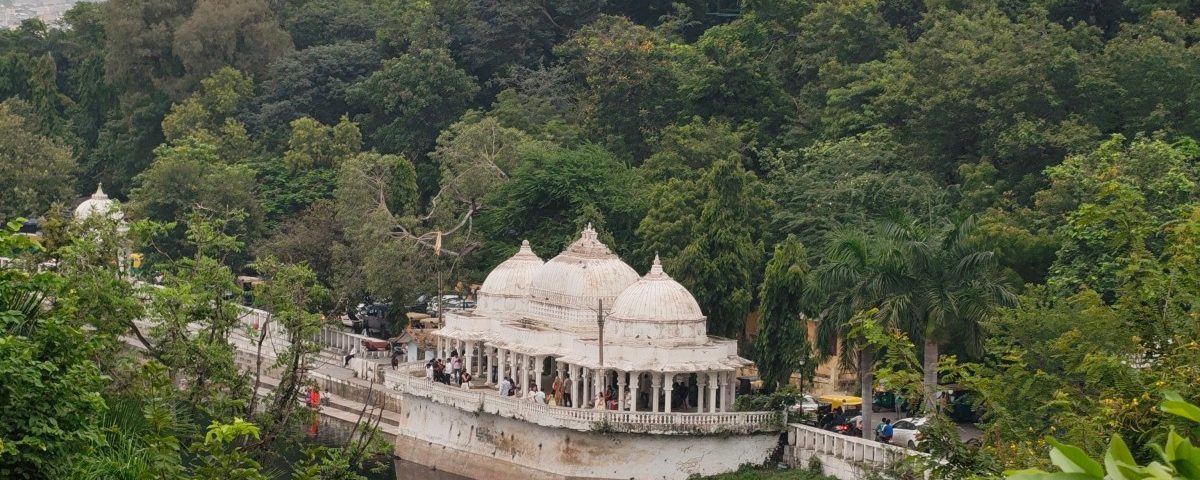
Stepping into the heart of the historic old city reveals a landscape defined by towering white spires, bustling narrow lanes, and centuries of regal Mewar heritage. Among the numerous architectural landmarks that grace this royal city, Jagdish Temple Udaipur stands out as a magnificent monument of faith, artistic brilliance, and spiritual devotion. When planning an immersive journey through Rajasthan, securing a dependable local transport partner is essential for seamless exploration. Travelers booking a comfortable vehicle through Rajwada Taxi can easily navigate the congested streets of the old town and travel across monuments without any parking hassles. To make the most of your holiday across the region, opting for specialized Udaipur tours ensures that you cover every iconic heritage site, including royal palaces, sacred shrines, and scenic lakes. For independent explorers who prefer privacy and total control over their daily itinerary, booking a well-maintained vehicle via their car rental service provides an ideal solution for families, couples, and solo travelers alike.
The Royal History of Jagdish Temple
Understanding the origins of this monumental structure takes us back to the mid-seventeenth century during the reign of Maharana Jagat Singh I. Historical records and royal chronicles indicate that construction began in 1651 and was completed at a grand scale, establishing the shrine as the largest temple in the city. Originally known as the temple of Jagannath Rai—representing Lord Vishnu as the lord of the universe—the sacred site was patronized by the ruling Mewar dynasty to cement spiritual devotion and architectural excellence in the urban core.
The construction involved master craftsmen, stone carvers, and architects who worked meticulously to bring Indo-Aryan and Maru-Gurjara architectural styles to life. Over subsequent centuries, the temple remained an active center of worship, witnessing royal processions, daily rituals, and grand festivals such as Janmashtami. Walking through the sacred courtyard today offers visitors a profound connection to the pious traditions and artistic patronage of the former rulers of Mewar.
Architectural Marvels and Design Brilliance
The true wonder of Jagdish Temple Udaipur lies in its intricate stone carvings, balanced proportions, and sophisticated multi-tiered structure. Built upon a massive raised stone platform, the temple features a towering central shikhara that reaches nearly seventy-nine feet into the sky, making it a prominent landmark visible from surrounding market streets.
The exterior walls and towering spires are completely covered with detailed sculptures depicting celestial dancers, musicians, horsemen, elephants, and various deities from Hindu mythology. Visitors approaching the main entrance must climb a flight of thirty-two marble steps, which are grandly flanked by two large stone elephants that symbolize strength and protection. At the top of the steps, a brass image of Garuda, the divine mount of Lord Vishnu, faces the inner sanctum with folded hands.
The interior layout comprises several distinct architectural components:
- The Main Sanctum (Garbhagriha): Housing the primary deity, this sacred inner chamber features a breathtaking single-piece black stone idol of Lord Vishnu depicted in his four-armed form, accompanied by fine adornments.
- The Pillared Assembly Hall (Mandap): A large, open prayer hall supported by fifty elaborately carved pillars on the ground floor alone, each featuring unique artistic motifs.
- The Subsidiary Shrines: The main temple is surrounded by four smaller shrines dedicated to Lord Ganesha, Lord Shiva, the Sun God, and Goddess Shakti, representing a classic panchayatana layout.
- The Porch (Ranga Mandap): An ornate pillared portico featuring a pyramidal ceiling and detailed friezes that showcase the peak of medieval stonemasonry.
Timings, Entry Fees and Daily Aarti Schedule
Planning your visit around the daily worship schedule allows you to experience both the peaceful architectural beauty and the vibrant spiritual atmosphere of the temple. The temple remains open to visitors every single day of the week, and there is no entry fee required to enter the sacred premises.
The daily schedule is divided into two distinct darshan windows, separated by an afternoon closure when the inner sanctum is closed for resting rituals:
- Morning Darshan Window: Typically opens early in the morning around 5:00 AM and remains open until 2:30 PM (or 4:30 AM to 1:00 PM depending on the seasonal calendar).
- Afternoon Closure: The temple doors close from afternoon until late afternoon (around 1:00 PM to 5:00 PM).
- Evening Darshan Window: Reopens in the evening from 4:00 PM until 10:00 or 10:30 PM (or 5:00 PM to 8:00 PM).
Daily Aarti Timings
- Mangla Aarti: Early morning during sunrise.
- Dhoop Aarti: Mid-morning worship session.
- Shringar Aarti: Late morning decoration ritual.
- Rajbhog Aarti: Performed at midday before the afternoon break.
- Gwal Aarti: Late afternoon reopening prayer.
- Sandhya Aarti: Evening sunset prayer filled with devotional singing and lamps.
- Shayan Aarti: Final night prayer before closing.
Arriving during the morning hours offers quiet surroundings for studying the stone carvings, while attending the evening sandhya aarti provides an immersive cultural experience accompanied by chanting bells and congregational hymns.
Exploring Nearby Attractions in Udaipur
Because Jagdish Temple sits right in the pulsating heart of the old city, visiting it opens up easy access to several other prominent heritage sites located within walking distance. Travelers often combine their temple visit with other major landmarks:
- City Palace of Udaipur: Located just one hundred and fifty meters away from the temple, this expansive palace complex showcases a mesmerizing blend of Rajasthani and Mughal architecture, royal courtyards, and museums.
- Lake Pichola and Gangaur Ghat: Situated a short stroll down the historic lanes from the temple, the scenic shores of Lake Pichola and the cultural hub of Gangaur Ghat offer stunning sunset views and boat ride departures.
- Bagore Ki Haveli: A historic waterfront mansion situated near Gangaur Ghat that showcases traditional Mewar artifacts and hosts popular evening folk dance and puppet performances.
- Saheliyon Ki Bari: A tranquil historic garden featuring marble elephants, lotus ponds, and ancient fountains, located a short drive north of the old city.
Tips for a Memorable Visit
Ensuring a smooth and respectful visit requires keeping a few practical guidelines in mind. Visitors must remove their shoes at the designated shoe racks at the base of the steps before climbing up to the temple platform. Dressing modestly in attire that covers shoulders and knees is expected at all times since it is an active place of worship.
Allocating around thirty to forty-five minutes gives you ample time to walk around the exterior platform, admire the wall friezes, pay respects inside the sanctum, and absorb the spiritual ambiance. By keeping your daily schedule organized and utilizing dependable transport services, exploring the rich heritage of Mewar remains effortless and rewarding.
Frequently Asked Questions
What are the daily opening hours of Jagdish Temple?
The temple is open daily in two primary shifts, generally from early morning until mid-afternoon and again from late afternoon through late evening.
Is there any entry fee to visit the temple?
No, entry to Jagdish Temple is completely free for all visitors as it is an open public place of worship.
Who built Jagdish Temple and in which year?
The temple was commissioned and built by Maharana Jagat Singh I of the Mewar dynasty in the year 1651.
How far is the temple from the City Palace?
The temple is conveniently located just about one hundred and fifty meters away from the Bara Pol entrance of the City Palace.
What architectural style is used in Jagdish Temple?
The temple is built in the traditional Indo-Aryan and Maru-Gurjara architectural styles, featuring intricate stonework and a towering shikhara.
