- Have any questions?
- +91-7340675951
- +91-8690290157
- rajwadataxi@gmail.com

Discovering Bagore Ki Haveli: What to See and How to Plan Your Visit

Discovering Jagdish Temple Udaipur: History, Architecture and Visitor Guide
November 12, 2026
Udaipur Local Sightseeing Tour Package by Car: Explore the City of Lakes in Comfort
November 14, 2026Discovering Bagore Ki Haveli: What to See and How to Plan Your Visit
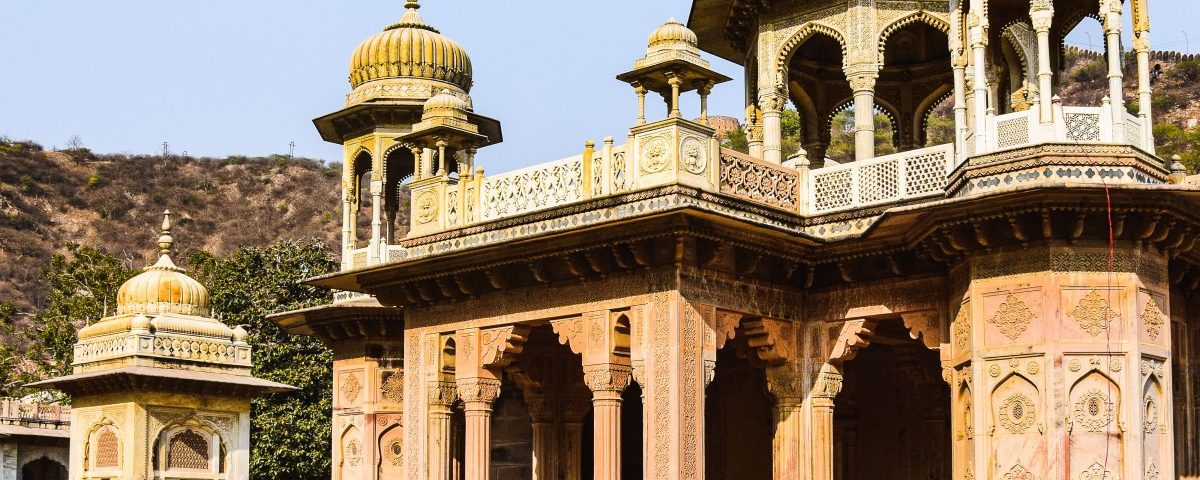
Stepping into the historic lanes of the old city brings travelers face to face with the timeless romance and royal grandeur of Rajasthan. Among the numerous majestic structures standing proudly along the waterfront, Bagore Ki Haveli holds a special place as a cultural treasure trove. When planning a comprehensive holiday across the City of Lakes, arranging reliable local transportation is essential for a smooth and comfortable sightseeing experience. Travelers booking a dependable vehicle through Rajwada Taxi can effortlessly navigate narrow heritage streets and reach historical landmarks without worrying about parking or navigation. To make the most of your journey across the region, opting for specialized Udaipur tours ensures that you cover every iconic heritage site, from royal palaces to vibrant cultural centers. For independent travelers who prefer total privacy and flexibility over their daily itinerary, booking a well-maintained vehicle via their car rental service provides an ideal solution for families, couples, and photography enthusiasts alike.
The Rich History of Bagore Ki Haveli
Understanding the deep heritage of this magnificent mansion takes us back to the eighteenth century when it was commissioned by Amir Chand Badwa, who served as the Prime Minister of the Mewar kingdom. Constructed right on the water’s edge at Gangaur Ghat, the sprawling haveli served as an aristocratic residence for state dignitaries and members of the royal court before eventually falling into neglect over subsequent decades.
In the late twentieth century, meticulous restoration efforts breathed new life into the historic stone walls, transforming the sprawling mansion into a world-class museum and cultural center. Today, the architecture stands as a brilliant example of traditional Mewari craftsmanship, featuring over one hundred rooms adorned with mirror work, carved balconies, antique courtyards, and delicate frescoes that whisper tales of bygone royal eras.
Architectural Marvels and Interior Design
The structural design of Bagore Ki Haveli reflects the peak of traditional Rajasthani residential architecture, where functionality meets exquisite aesthetic detail. Built primarily with local stone, marble, and lime plaster, the mansion rises multiple stories above the lake, offering sweeping views of the surrounding water and distant hilltop fortresses.
Visitors walking through the complex will encounter several distinct architectural highlights:
- The Courtyards: Several inner courtyards provide natural light and ventilation to the residential chambers while serving as private gathering spaces for the noble household.
- The Balconies and Jharokhas: Intricately carved stone overhangs and balconies overlook Lake Pichola, allowing residents to catch cool breezes and watch religious processions along the ghats.
- The Mirror Work Rooms: Private chambers featuring walls embedded with tiny shimmering mirror pieces that reflect candlelight, creating a magical atmosphere during evening hours.
- The Residential Quarters: Well-preserved royal living spaces that showcase traditional furniture, royal costumes, and domestic artifacts used by the nobility of Mewar.
What to See Inside the Museum
Exploring the extensive galleries within the haveli offers a fascinating glimpse into the royal lifestyle, art, and heritage of Rajasthan. Each room has been curated to highlight a different aspect of history and regional culture.
- The Puppet Museum: A dedicated section displaying a vibrant collection of traditional Rajasthani string puppets, marionettes, and folk dolls from various rural communities.
- The Turban Gallery: An impressive display showcasing diverse regional turbans worn across Rajasthan, demonstrating how headgear indicated social status, caste, and geographic origin.
- Weapons and Armor Exhibition: A specialized room featuring historical swords, shields, daggers, and protective gear utilized by Mewari warriors in past conflicts.
- Royal Wedding and Costume Room: Exhibiting traditional bridal attire, royal garments, silver jewelry, and festive ornamentation worn during historic celebrations.
- The Largest Pagri Display: A unique attraction featuring an exceptionally large turban crafted with meticulous detail, drawing admiration from craft enthusiasts.
The Famous Evening Folk Dance Show
One of the absolute highlights of visiting the haveli is experiencing the renowned Dharohar folk dance show held every evening in the main courtyard. As the sun sets over Lake Pichola, the central courtyard transforms into an open-air amphitheater filled with lively music, rhythmic drumbeats, and vibrant cultural performances.
The one-hour cultural spectacle features traditional art forms from across Rajasthan:
- Bhavai Dance: Skilled female performers balance multiple brass pots on their heads while dancing gracefully on the sharp edge of a brass plate or a glass surface.
- Chari Dance: Dancers balance flaming pots filled with burning cotton seeds on their heads, creating stunning patterns of light and movement in the night air.
- Ghoomar Dance: The signature traditional dance of Rajasthan, performed by women in sweeping colorful swirling skirts accompanied by folk songs.
- Puppet Show: An engaging traditional puppet performance that narrates local legends and folktales through skillful manipulation.
- Terah Taali: A devotional dance where performers tie numerous metal cymbals to various parts of their bodies and strike them rhythmically with handheld cymbals.
Securing tickets in advance is highly recommended, as the evening show attracts a large number of cultural enthusiasts and tourists from around the world.
Timings, Entry Fees and Best Time to Visit
Planning your visit effectively ensures you have enough time to explore both the museum exhibits during the day and the cultural dance show in the evening. The haveli remains open to visitors daily, generally welcoming museum guests from morning until late afternoon, followed by the evening performance slot.
- Museum Timings: Typically open from 10:00 AM to 5:30 PM daily.
- Evening Dance Show Timings: Conducted in multiple sessions or a main evening slot, usually starting around 7:00 PM to 8:00 PM.
- Ticket Structure: Separate entry fees apply for daytime museum access and the evening cultural show, with nominal pricing for both Indian citizens and foreign nationals.
Planning your trip between the cooler winter months of October and March offers the most pleasant weather conditions for exploring outdoor ghats and courtyards comfortably.
Exploring Nearby Attractions in Udaipur
Because Bagore Ki Haveli is situated right at Gangaur Ghat in the heart of the old city, it serves as an ideal starting point for exploring other prominent heritage landmarks within comfortable walking distance.
- Jagdish Temple: Located just a short stroll away through the vibrant market lanes, this magnificent seventeenth-century sanctuary is dedicated to Lord Vishnu and features intricate stone carvings.
- City Palace of Udaipur: A massive architectural complex located nearby, offering royal museums, expansive courtyards, and stunning views over Lake Pichola.
- Lake Pichola Boat Rides: Stepping right onto the ghats allows visitors to board boat rides that take them across the shimmering waters to explore island palaces and sunset vistas.
- Local Handicraft Markets: The surrounding bazaars offer traditional textiles, silver jewelry, leather crafts, and miniature paintings created by local artisans.
Tips for a Memorable Visit
Ensuring a smooth and rewarding visit requires keeping a few practical considerations in mind. Wearing comfortable walking shoes is advisable since you will be navigating stone steps, uneven historic flooring, and multi-level galleries. Arriving early for the evening folk dance show helps you secure prime seating near the front of the courtyard for the best photographic angles.
Allocating around two hours for the daytime museum tour, followed by an hour for the evening performance, provides a balanced and thorough cultural experience. By keeping your travel itinerary flexible and utilizing dependable local transport services, exploring the historical soul of Udaipur remains effortless and deeply memorable.
Frequently Asked Questions
What are the opening hours of Bagore Ki Haveli Museum?
The museum is generally open daily from 10:00 AM to 5:30 PM for exploring its galleries and historical rooms.
When does the evening folk dance show take place?
The cultural dance show is held every evening, typically starting around 7:00 PM in the main courtyard.
Do I need to book tickets for the evening show in advance?
Yes, booking or purchasing tickets earlier in the day is strongly advised because seats for the evening cultural performance fill up quickly.
Where is Bagore Ki Haveli located in Udaipur?
It is situated right on the waterfront at Gangaur Ghat in the old city area, close to Jagdish Temple and Lake Pichola.
How much time is needed to explore the entire haveli?
Most visitors spend about one to two hours exploring the indoor museum exhibits and another hour enjoying the evening cultural program.
