- Have any questions?
- +91-7340675951
- +91-8690290157
- rajwadataxi@gmail.com

Things to Do in Udaipur: A Complete Guide for 2026

How to Choose the Best Taxi Services in Udaipur: A Complete Guide for Comfortable and Stress Free Travel
September 9, 2026Things to Do in Udaipur: A Complete Guide for 2026
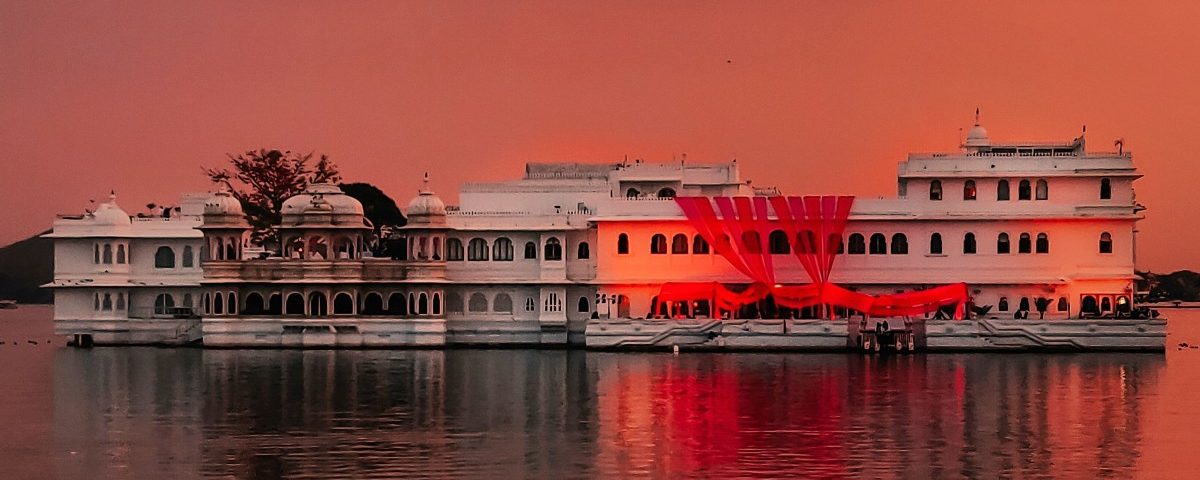
The best things to do in Udaipur are not limited to visiting famous palaces and taking photographs beside a lake. The City of Lakes has a different rhythm from many other Rajasthan destinations. Mornings can begin with peaceful views over the water, afternoons can be spent exploring centuries-old architecture, and evenings often become the most memorable part of the day as the surrounding hills and palaces catch the changing light. Whether you are visiting Udaipur for a weekend, planning a family holiday, traveling as a couple, or adding the city to a Rajasthan road trip, there is plenty to experience beyond the standard sightseeing checklist.
Udaipur is a destination where history, architecture, nature, food, crafts, spirituality, and everyday local life come together. You can explore grand royal buildings and then walk through an old market street only a short distance away. You can spend an entire morning visiting heritage attractions or slow down and simply watch boats move across Lake Pichola.
The trick is knowing how to plan your time.
Instead of trying to see everything in one rushed day, build your itinerary around experiences. Choose a few major attractions, leave room for meals and breaks, and keep some time for discovering the city’s quieter corners.
Here is a practical guide to the places and experiences worth considering during a 2026 Udaipur trip.
1. Explore the Magnificent City Palace
For many visitors, the City Palace is the natural starting point for discovering Udaipur.
Located beside Lake Pichola, the palace complex represents centuries of Mewar history and combines courtyards, balconies, galleries, decorative interiors, gateways, and lake-facing viewpoints. It is much more than a single building, so rushing through it can mean missing some of its smaller architectural details.
Take your time as you move through the complex.
Look closely at the decorative work, colorful glass details, historic objects, stonework, and changing views from the upper sections. The architecture reflects different periods of development, which makes the palace particularly interesting for travelers who enjoy history.
Best Way to Experience City Palace
Try to visit when you have enough time to explore without constantly checking the clock.
A practical visit can include:
- Exploring the historic courtyards
- Viewing traditional decorative interiors
- Looking over Lake Pichola
- Photographing the palace architecture
- Learning about the history of Mewar
- Spending time around the surrounding old-city area
Because the palace is one of Udaipur’s major attractions, including it early in your itinerary can make the rest of your sightseeing easier to organize.
2. Take a Boat Ride on Lake Pichola
Few experiences capture Udaipur’s character as naturally as a boat ride on Lake Pichola.
The lake is surrounded by hills, historic buildings, ghats, palaces, and old neighborhoods. Seeing these landmarks from the water gives you a completely different perspective compared with walking through the streets.
A boat ride can be particularly enjoyable later in the day when the changing light creates reflections across the water.
Why Lake Pichola Should Be on Your Itinerary
The experience is not simply about being on a boat.
It gives you a chance to slow down.
After spending hours exploring busy streets and historic buildings, sitting on the lake and watching Udaipur from the water can feel like a natural pause in the day.
If photography is important to you, keep your camera ready, but do not spend the entire ride looking through the screen. Some of the best moments are simply the changing colors of the lake and surrounding architecture.
Boat timings, operating arrangements, and applicable charges can change, so confirm current details before your visit.
3. Watch the Sunset at Sajjangarh Monsoon Palace
Sajjangarh, commonly known as the Monsoon Palace, sits on a hill overlooking Udaipur and its surrounding landscape.
The elevated location is what makes the attraction special. From the top, you can see broad views of the city, lakes, hills, and countryside.
The palace becomes especially appealing around sunset.
As daylight fades, the landscape gradually changes color, and the city begins to sparkle below. It is an experience that feels very different from visiting an enclosed museum or palace.
Plan Your Sunset Visit Carefully
Give yourself enough travel time to reach the viewpoint before sunset rather than arriving at the last moment.
Weather also affects visibility. On hazy days, distant views may be less clear, while clearer conditions can provide much broader scenery.
The hill road and access arrangements may be subject to local conditions, so check current visitor information before setting out.
4. Spend a Peaceful Morning at Fateh Sagar Lake
If Lake Pichola represents Udaipur’s historic center, Fateh Sagar Lake offers another side of the city.
The lake is surrounded by roads, hills, greenery, and urban neighborhoods. It is a popular place for people looking for a more relaxed outing.
Early morning can be particularly pleasant.
Instead of planning an elaborate activity, you can simply take a walk, enjoy the surroundings, have breakfast nearby, or spend some quiet time beside the water.
This is one of those Udaipur experiences where there is no need to fill every minute.
Sometimes the best travel memories come from doing very little in a beautiful setting.
5. Visit Jagdish Temple
Jagdish Temple is an important architectural and spiritual landmark in the old city.
The temple’s detailed stone carvings make it interesting even for visitors who are primarily interested in architecture rather than religious tourism.
Its location also makes it easy to combine with other nearby attractions.
When visiting a religious site, dress respectfully and follow any current photography or visitor guidelines. Avoid treating active worship areas simply as photo locations.
Why Include Jagdish Temple?
The temple adds cultural depth to a Udaipur itinerary.
After visiting royal palaces and lakes, seeing a historic temple provides another perspective on the city’s heritage and living traditions.
It is a reminder that Udaipur is not just a preserved tourist destination. People continue to live, worship, work, and conduct everyday life within these historic neighborhoods.
6. Walk Through Udaipur’s Old City
One of the most underrated things to do in Udaipur is simply walking through the old city.
The narrow lanes reveal details that are easy to miss from a vehicle.
You may come across:
- Traditional homes
- Small shops
- Craft stores
- Local food stalls
- Historic doorways
- Religious shrines
- Colorful textiles
- Everyday street scenes
You do not need a strict route.
Choose a comfortable stretch of the old city and explore at an unhurried pace.
For many travelers, this is where Udaipur begins to feel less like a list of attractions and more like a living city.
7. Shop for Handicrafts and Local Products
Udaipur is a good destination for travelers who enjoy traditional crafts and souvenirs.
Markets and shopping areas offer products associated with Rajasthan’s artistic traditions, including textiles, decorative items, paintings, jewelry, handicrafts, and other locally inspired products.
Do not shop simply because something looks “Rajasthani.”
Look at the material, craftsmanship, finishing, practicality, and price before purchasing.
A Better Souvenir Strategy
Instead of buying several generic souvenirs, choose one or two things that genuinely remind you of the trip.
For example, a handcrafted decorative piece or traditional textile can have more meaning than a suitcase full of inexpensive items.
If purchasing valuable goods, ask about material, workmanship, and applicable return or exchange policies before paying.
8. Visit Saheliyon Ki Bari
Saheliyon Ki Bari provides a quieter change of pace after visiting large heritage complexes.
The historic garden is known for greenery, fountains, ornamental features, and landscaped spaces.
It is a useful stop for travelers who want some breathing room in their itinerary.
Families can enjoy the garden atmosphere, photographers can explore different compositions, and couples may appreciate its peaceful setting.
Do not underestimate the value of including a slower attraction between two major sightseeing stops.
A good itinerary needs variation.
9. Experience Udaipur’s Local Food
Udaipur deserves attention as a food destination as well.
Rajasthani cuisine offers bold flavors and traditional dishes that can add another dimension to your trip.
Depending on your preferences, you can explore dishes such as dal baati churma, gatte-based preparations, ker sangri, local breads, kachori, sweets, and other regional foods.
Eat According to Your Schedule
Heavy traditional meals can be enjoyable, but think about when you are eating them.
If you plan several hours of walking afterward, a lighter meal may be more comfortable.
For street food, choose busy and hygienic establishments where food turnover appears high. Travelers with dietary restrictions should ask about ingredients before ordering.
Food is part of cultural exploration, but comfort and hygiene should remain priorities.
10. Enjoy a Sunset View Over Udaipur
Udaipur is particularly attractive during the golden hour.
You do not necessarily need a famous attraction to enjoy the sunset. A suitable elevated viewpoint, lakeside location, rooftop setting, or open area can provide beautiful views depending on the season and weather.
The key is to arrive early enough to find a comfortable place.
Sunset is also one of the best times to slow down after a busy sightseeing day.
Rather than scheduling another major attraction immediately afterward, leave some space in your itinerary.
11. Explore Bagore Ki Haveli
Bagore Ki Haveli is another worthwhile heritage attraction near Lake Pichola.
Its historic setting and collection of traditional objects offer insight into the lifestyle, art, and material culture associated with Rajasthan’s past.
The haveli is particularly useful for visitors who want more than grand palace architecture.
A palace tells you about royal spaces.
A haveli can help you understand another layer of historic domestic and cultural life.
If cultural performances are operating during your visit, check the current schedule and ticket arrangements rather than relying on old travel information.
12. Spend Time Around Gangaur Ghat
Gangaur Ghat is closely associated with Udaipur’s waterfront atmosphere.
The area offers views toward Lake Pichola and surrounding architecture, making it a pleasant place to visit during quieter hours.
Early morning and evening can offer different experiences.
Morning tends to feel calmer, while evening can bring more activity and changing light.
Respect local residents and worshippers while exploring waterfront areas. Avoid blocking pathways or entering restricted spaces simply for photographs.
13. Discover the Ahar Cenotaphs
Travelers interested in history and architecture should consider adding the Ahar area to their itinerary.
The Ahar cenotaphs are associated with the Mewar rulers and provide a quieter heritage experience compared with the city’s most heavily visited attractions.
The carved stone structures have a distinctive architectural character.
This is a good example of why a Udaipur itinerary should not be built only around the most frequently photographed locations.
Sometimes the less crowded attraction adds more depth to the journey.
14. Visit the Vintage and Classic Car Collection
Car enthusiasts have another interesting stop in Udaipur through its collection of historic automobiles.
Classic vehicles can offer a different perspective on royal-era lifestyle and design.
Even travelers who are not serious automobile enthusiasts may appreciate the craftsmanship, styling, and historical context.
It is a relatively different experience from visiting temples, gardens, and palaces, which makes it useful when planning a varied itinerary.
15. Explore the Local Art and Craft Scene
Udaipur has a long association with traditional arts and crafts.
Depending on your interests, you can explore miniature-style paintings, textiles, decorative crafts, jewelry, and other forms of regional artwork.
When buying artwork, ask questions.
Find out whether the piece is handmade, what materials are used, how it was produced, and whether the seller can provide useful information about its origin.
This makes shopping more meaningful and helps you make an informed purchase rather than buying solely because something looks attractive.
16. Take a Day Trip to Kumbhalgarh
If you have more than two days in Udaipur, consider adding an outstation excursion.
Kumbhalgarh is particularly interesting for travelers who enjoy forts, history, and dramatic landscapes.
The journey itself becomes part of the experience because Rajasthan’s scenery changes as you move away from the city.
A private taxi can be convenient for this kind of day trip because you can plan the departure according to your schedule and return to Udaipur afterward.
When planning, account for road travel time rather than treating the destination as though it were just another city attraction.
17. Explore Ranakpur
Ranakpur is another popular option for travelers extending their Udaipur trip.
The destination is especially known for its remarkable Jain temple architecture and surrounding natural landscape.
It works well as part of a broader Rajasthan road itinerary.
If you are planning multiple destinations, discuss the complete route with your transportation provider before booking. This helps avoid confusion about travel time, vehicle requirements, and additional stops.
For travelers comparing transportation options, you can explore Rajwada Taxi’s travel services to understand available taxi arrangements for local and outstation travel.
18. Plan a Comfortable Rajasthan Road Trip
Udaipur can also be the beginning or end of a longer Rajasthan journey.
Depending on your schedule, you may combine Udaipur with destinations such as Jodhpur, Jaipur, Mount Abu, Chittorgarh, Kumbhalgarh, or other places.
A road trip gives you flexibility that fixed public transportation schedules may not always provide.
However, flexibility works best when your route is planned realistically.
Do not try to cover too many cities in too little time.
Long-distance driving becomes tiring, especially when sightseeing is added on top. Give yourself enough time for meals, rest, traffic, and unexpected delays.
19. Choose the Right Taxi for Sightseeing
Transportation can have a surprisingly large influence on the quality of a Udaipur trip.
If you are traveling with family or luggage, choose a vehicle based on actual space requirements rather than simply selecting the cheapest category.
A small car can work well for a couple or a small group.
A larger vehicle may be more suitable for families, longer road journeys, or groups carrying substantial luggage.
If you are considering different vehicle options, you can review car rental options from Rajwada Taxi and then confirm current vehicle availability and booking conditions before traveling.
The objective is simple: choose a vehicle that fits the trip rather than forcing the trip to fit the vehicle.
20. Experience Udaipur After Dark
Udaipur changes character in the evening.
Once the day’s heat begins to ease, the old city becomes more active. Restaurants, markets, lakefront areas, and heritage surroundings take on a different atmosphere.
An evening walk can be a pleasant way to experience this side of the city.
You might combine:
- A sunset viewpoint
- Dinner
- A walk through a market
- Lakefront views
- A cultural performance, where available
Do not make your evening schedule too tight.
Udaipur is especially enjoyable when you have time to sit, observe, and enjoy the atmosphere.
21. Plan Your Udaipur Trip According to Season
The experience of Udaipur can change significantly with the weather.
Winter
Cooler conditions generally make sightseeing more comfortable, particularly for walking and outdoor exploration.
This can be an excellent period for combining several attractions in one day.
Summer
Daytime temperatures can be challenging, so plan outdoor sightseeing around cooler morning and evening periods where practical.
Keep hydration in mind and allow breaks between major attractions.
Monsoon
Rain can transform the surrounding landscape and bring a different visual character to the city.
However, weather can also affect road travel and outdoor plans, so maintain some flexibility.
Festival Periods
Festivals can make Udaipur particularly lively, but they may also affect traffic, accommodation demand, attraction schedules, and local movement.
If your trip coincides with a major festival, verify current arrangements before finalizing your daily itinerary.
22. How Many Days Are Enough for Udaipur?
For many first-time visitors, two to three days can provide a useful introduction to Udaipur.
A possible three-day structure could look like this:
Day One
Explore the City Palace, Jagdish Temple, old city, Bagore Ki Haveli, and nearby lakefront areas.
Day Two
Visit Saheliyon Ki Bari, Fateh Sagar Lake, explore additional heritage attractions, and plan a sunset experience.
Day Three
Take a slower city day or choose an excursion toward a nearby destination such as Kumbhalgarh or Ranakpur.
The ideal duration depends on your travel style.
If you enjoy photography, history, food, and relaxed exploration, you may easily want more time.
23. Tips for a Better Udaipur Experience
A few simple decisions can make your trip noticeably easier.
Start early. Morning hours can be more comfortable for outdoor sightseeing.
Do not overbook your day. Five major attractions are not necessarily better than three well-enjoyed ones.
Carry comfortable footwear. Historic areas often involve walking on uneven surfaces.
Keep water available. Rajasthan’s climate can be dry, particularly during warmer periods.
Respect heritage spaces. Follow photography restrictions and local instructions.
Keep some flexibility. Weather and traffic can change plans.
Check current timings. Attraction schedules and visitor arrangements can change over time.
Think about location when booking accommodation. Staying conveniently located can reduce daily travel time.
Plan transportation around the itinerary. This is particularly important when combining local sightseeing with outstation trips.
Frequently Asked Questions
What are the best things to do in Udaipur?
Some of the most popular experiences include visiting City Palace, taking a boat ride on Lake Pichola, exploring Jagdish Temple, visiting Sajjangarh Monsoon Palace, spending time around Fateh Sagar Lake, exploring the old city, visiting historic havelis, enjoying local food, and shopping for traditional crafts.
How many days are enough for Udaipur?
Two to three days can provide a good introduction to Udaipur. Travelers who prefer a relaxed pace or want to include nearby destinations may benefit from staying longer.
What is Udaipur famous for?
Udaipur is particularly known for its lakes, historic palaces, Mewar heritage, architecture, scenic surroundings, traditional culture, and romantic atmosphere.
Is Udaipur good for couples?
Yes. Lakeside settings, historic architecture, sunset viewpoints, cultural experiences, restaurants, and relaxed evening walks make Udaipur appealing for couples. The best experience usually comes from combining sightseeing with unhurried time together.
Is Udaipur suitable for a family trip?
Udaipur can work very well for families. Palaces, lakes, gardens, museums, cultural attractions, and nearby excursions offer variety for different age groups. Families should choose transportation and sightseeing schedules according to children’s and older travelers’ comfort.
What is the best time to visit Udaipur?
The cooler months are generally comfortable for extensive sightseeing, while monsoon can offer a greener landscape. Summer can be warmer, so outdoor activities may require better timing and more breaks.
What can I do in Udaipur at night?
You can enjoy dinner, explore suitable market areas, visit lakefront locations where permitted, attend cultural performances when scheduled, or simply enjoy evening views of the illuminated city.
Which nearby places can I visit from Udaipur?
Depending on your available time, nearby and regional excursions can include Kumbhalgarh, Ranakpur, Chittorgarh, Mount Abu, and other Rajasthan destinations. Travel times should be considered before adding multiple places to one day.
Is a taxi useful for Udaipur sightseeing?
A taxi can be convenient when you want to cover multiple attractions without depending on public transport schedules. It can also be useful for families, groups, airport transfers, and outstation excursions.
What should I not miss in Udaipur?
For a first visit, prioritize City Palace, Lake Pichola, a sunset experience, Jagdish Temple, the old city, Fateh Sagar Lake, and at least one cultural or heritage attraction. Then add activities according to your personal interests.
The most rewarding things to do in Udaipur are the ones that allow you to experience different sides of the city rather than simply collecting photographs of famous landmarks.
Visit a palace to understand its royal history. Walk through the old city to see everyday life. Sit beside a lake when you need a break. Try regional food. Explore traditional crafts. Watch the evening light change across the hills. If you have additional time, take a road trip toward a nearby fort, temple, or heritage destination.
Most importantly, give Udaipur room to surprise you.
A well-planned itinerary should provide direction without making the entire trip feel like a timetable. Choose the places that genuinely interest you, allow realistic travel time between them, and leave a little space for the moments you did not plan.
Whether you are visiting for two days or building Udaipur into a longer Rajasthan journey, thoughtful planning can help you spend less time worrying about transportation and scheduling and more time enjoying what makes this city memorable.
Disclaimer: This article is intended for general travel information and planning purposes. Attraction timings, entry arrangements, local regulations, road conditions, transportation availability, and applicable charges may change. Always confirm current details before traveling.
